Is Your Home Ready for an Air Source Heat Pump? Start with Weatherization
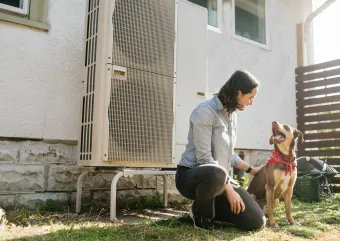
If you’re considering an air source heat pump (ASHP) for your Minnesota home, preparation matters. Today’s cold-climate heat pumps are highly efficient and provide reliable heating and cooling, but they perform best in homes that are properly sealed against the elements, a process known as weatherization.
Before installing a heat pump, improving insulation, sealing air leaks, and addressing ventilation can significantly increase comfort, reduce operating costs, and help your system run at peak efficiency. The MN Air Source Heat Pump Collaborative recommends weatherization as a key first step for homeowners exploring heat pump installation.
What Is Weatherization?
Weatherization improves how well your home holds onto conditioned air by:
- Adding insulation
- Sealing air leaks
- Addressing moisture and ventilation needs
These upgrades help your home stay comfortable year-round and allow heating and cooling systems, especially heat pumps, to operate more efficiently. Common signs your home may need weatherization include drafts or uneven temperatures, ice dams in winter, moisture or condensation on windows, and higher-than-expected energy bills. Homes built before 1980 are especially likely to benefit from improvements in weatherization.
Why Weatherization Matters for Heat Pumps
Heat pumps are designed to run slow and steady, maintaining consistent indoor temperatures. A leaky or under-insulated home forces the system to work harder, reducing efficiency and comfort. A weatherized home can improve heat pump performance, reduce system wear and extend equipment life, support smaller, lower-cost heat pump systems. For best results, weatherization should happen before installing an air source heat pump.
Start with Health and Safety
Before air sealing or insulating, it’s important to address common health and safety concerns found in older Minnesota homes.
- Homes built before the 1940s may contain knob-and-tube wiring, which is uninsulated and can pose fire risks. Have an electrician inspect and update wiring before weatherization work begins.
- Vermiculite insulation, used from the 1940s through the 1990s, may contain asbestos. If present, it should be tested and addressed before air sealing or insulating to protect occupant and worker safety.
- Improperly vented appliances can release carbon monoxide (CO) into the home. CO detectors should be installed and replaced every five years. Sealed-combustion systems and heat pump technologies can reduce CO risks.
- Managing indoor humidity and moisture improves comfort and protects your home. Air sealing, insulation, and ventilation all play a role in preventing condensation, mold, and structural damage.
Air Sealing and Insulation: The Core of Weatherization
Air sealing and insulation are closely connected and usually completed together.
Insulation Priorities
Rim joists are a major source of air leakage. Insulating and sealing them improves comfort throughout the home. A professional will insulate your walls to a specific standard based on your home and Minnesota's climate, with walls calculated to a professional rating of roughly R-11. Minnesota attics should be insulated to R-50. Air sealing must be completed first, especially around light fixtures, chimneys, and vents. Proper attic ventilation ensures insulation performs effectively.
Air sealing closes gaps where air leaks in or out of your home. A blower door test helps identify problem areas and measure overall leakage. While small sealing projects can be DIY, attic air sealing is typically best handled by professionals.
Drafts near windows are often caused by air leaks and insulation gaps, not the windows themselves. In many cases, these issues can be addressed without replacing the windows. However, when replacement is the right solution, high-performance triple-pane windows can be one of the most impactful upgrades you make. They help improve comfort, reduce heat loss, enhance overall home energy efficiency, and create a better thermal envelope that can improve heat pump performance. Considering ways to improve your home's efficiency? High-performance windows are a great place to start. Visit the Wise Window Hub to learn more!
Weatherization Supports Heat Pump Success
A weatherized home helps your air source heat pump maintain steady indoor temperatures with less effort. Conditioned air stays inside, operating costs stay lower, and comfort improves throughout the home.
If you’re unsure where to start, a home energy audit can identify insulation, air sealing, and ventilation opportunities. Many Minnesota utilities offer audit programs, including Home Energy Squad® for eligible CenterPoint Energy or Xcel Energy customers.
The MN Air Source Heat Pump Collaborative encourages homeowners to take these steps to ensure long-term comfort and performance from heat pump systems.
Looking for more guidance?
To learn more about heat pumps, continue exploring News & Case Studies or visit the FAQs page. If you have further questions, contact us at info@mnashp.org.
Author

Connect with a local contractor