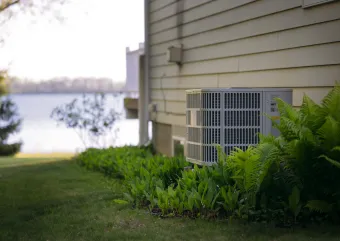
Is a dual fuel heating system right for your Minnesota home?
If you've started shopping for a new heating system, you've probably run into the term "dual fuel." While it may sound complicated, the concept is straightforward: a dual fuel heating system combines an air source heat pump with a new or existing furnace, allowing each system to do what it does best.
A heat pump has the potential to handle most of your home's heating needs, while the furnace steps in during the coldest weather. The result? Lower energy use, reduced emissions, energy flexibility, and dependable comfort throughout every Minnesota season.
How a dual fuel heating system works
A dual fuel system pairs an air source heat pump with a furnace, whether that's a new one built to work directly with the heat pump or, in some cases, your existing one furnace. The heat pump becomes your primary heating source, pulling in heat from the outside air (even in winter) to warm your home efficiently. Your furnace remains as backup, stepping in only when temperatures drop low enough that the heat pump needs help.
Most systems are set up to switch over automatically, usually somewhere between 25 and 35°F, though the right point depends on your specific home and equipment. The transition is automatic, so you don't have to adjust anything. Your system simply uses the most efficient heating source based on outdoor conditions.
Why duel fuel makes sense for Minnesota winters
Minnesota's winters demand a heating system that's both efficient and reliable. That's where dual fuel shines. Modern cold climate heat pumps can handle most of the heating season on their own. Your furnace only needs to carry the load on the coldest days of the year, which means you get the benefits of electric heat without betting your comfort on a single system.
It's also a more manageable first step for many homes. Because the heat pump can typically use your existing air conditioning circuit, you often don't need to upsize your electrical panel or rewire your home to make the switch. That keeps upfront costs more manageable while moving your home toward cleaner energy, without ruling out going fully electric down the road.
CEE's research team has spent years studying how these systems perform in Minnesota's cold climate, so this guidance is grounded in real, local data, not just manufacturer specs. Research on Minneapolis homes found that a heat pump supplying about 80% of a home's heating, with a furnace providing the remaining 20%, reduced heating-related emissions by approximately 89%. That's nearly the same emissions reduction as an all-electric system, but often with lower upfront costs.
The benefits, in plain terms
- Lower bills, in many cases. Heat pumps move heat instead of creating it, making them an extremely efficient way to heat your home. Depending on your utility, a dual fuel system can cost less to operate than heating with gas or electricity alone.
- Comfort you can count on. You get efficient, reliable heating when you need it most, plus the reassurance of a furnace backup for Minnesota's coldest stretches.
- A lighter lift for many homes. Because the heat pump can typically use your existing air conditioning circuit, major electrical upgrades usually aren't required to make the switch
Common questions homeowners ask
Not necessarily, but in many cases, yes. Getting the most out of a heat pump usually means pairing it with a furnace built to communicate with it, so depending on your current furnace’s age and type, an upgrade may make sense. A qualified contractor can tell you whether your existing furnace will work or if a new one is better for your home.
Yes. If your home already has a ducted forced-air furnace, a dual fuel heat pump can typically use the same ductwork.
That's exactly what the furnace is there for. When temperatures drop below the heat pump's efficient range, your system automatically shifts to the furnace, so you're never left without heat or with a massive increase on your utility bill.
Absolutely. For many homeowners, a dual fuel heating system offers an affordable way to begin electrifying their home with the security of a familiar heating system.
Want to go deeper?
If you're the type who likes to dig into the details, like switchover temperatures, utility rate programs, or a real-world retrofit example, our partners at the MN ASHP Collaborative have you covered:
Doubling down on dual fuel means getting real comfort, real savings, and real progress toward a comfortable home, without an all-or-nothing leap.