If I still have a gas furnace, why would I want a heat pump instead of an air-conditioner?
Use our interactive tool below to see how often your heat pump might run.
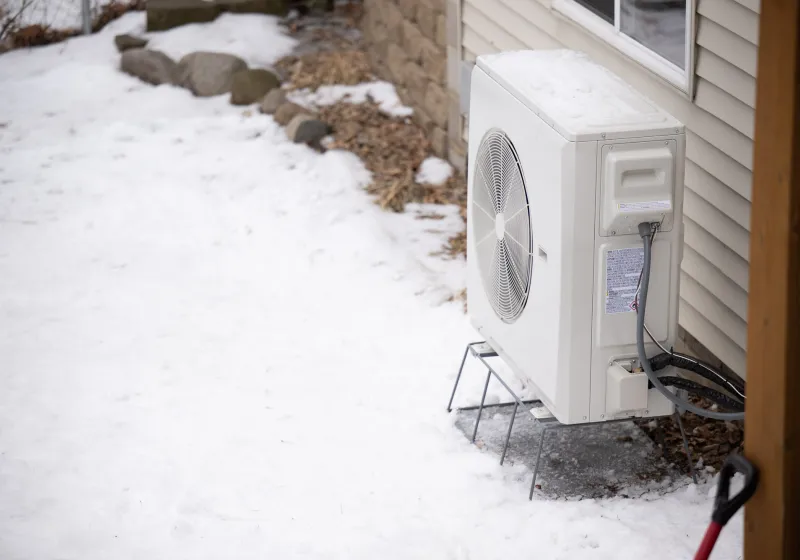
A heat pump is a surprisingly smart complement to a gas furnace.
Beyond providing all your cooling, heat pumps are excellent heating sources at times of the year when furnaces are at their least effective, namely during mild and moderately cold weather.
Gas furnaces provide lots of heat quickly, even when running at their lowest level. Lots of heat is useful in colder weather but can cause issues in moderate weather when less heat is needed. The disadvantages of using a gas furnace in moderate weather can include:
- Uncomfortable indoor temperature swings
- Reduced energy efficiency
- More carbon emissions
- Extra equipment wear from frequent starts and stops. Like driving a car, if you need to pick up speed, it is more efficient to ease into the desired speed rather than go full bore and cause unnecessary wear on your engine.
While some heat pumps excel when heating in colder weather, any heat pump is highly effective in moderate weather. The advantages include:
- Provides backup heat and shields you from natural gas price swings
- Adds heating resilience and flexibility during gas outages or price spikes
- Offers a reliable backup and a buffer against volatile gas prices
- Improves heating reliability while reducing exposure to gas price fluctuations
A heat pump is a great complement to a furnace because it leverages each piece of equipment when it is advantageous: the furnace in colder weather and the heat pump in mild and moderate weather.*
*When a heat pump is paired with a gas furnace, it is called a dual fuel or hybrid system. The heat pump replaces the central AC (if one was present) and provides cooling or heating through the same ductwork that the furnace uses. Only the heat pump or furnace runs at any given time. For more about when the heat pump switches to the furnace, read the note on switchover temperature.
How much time do we spend in moderate weather?
By reputation, Minnesotan winters are very cold. However, if you analyze the time during the year that the heat is on (called “heating hours”), you would find that many of these hours are spent in mild and moderately cold weather.
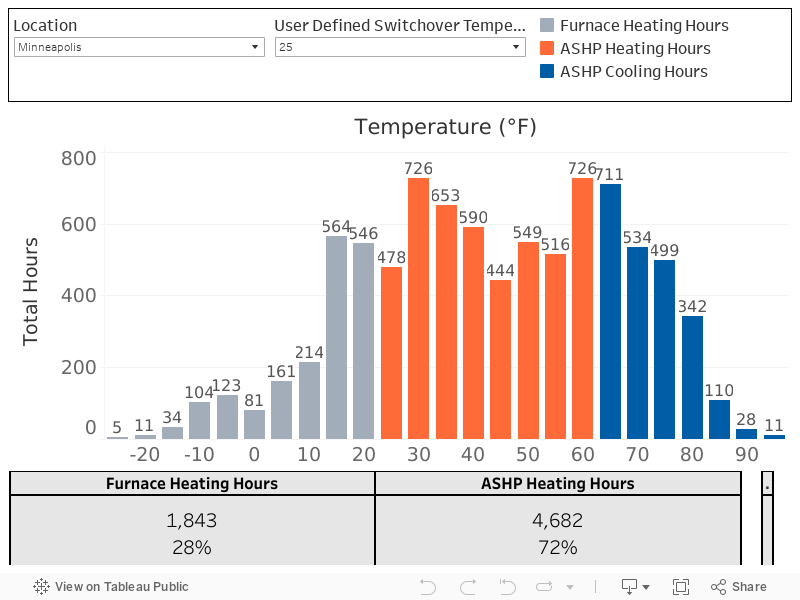
The chart below illustrates a typical year of outdoor temperatures in St. Cloud. You can see that comparatively few hours are spent in very cold temperatures. Most hours in the heating season are more moderate, when a heat pump is a particularly effective heating source.
If I get a heat pump, how much use would it get?
You can compare how much time you would use a heat pump versus a gas furnace in our interactive version of the chart.
Location: Set to your nearest location to tailor the weather data.**
- Where you live in the state changes the outdoor temperatures you can expect throughout the year. This chart has options for several locations across Minnesota to represent these regional weather differences.
Switchover Temperature (°F): Set the outdoor temperature that the heat pump runs to before the gas furnace takes over heating.
- Above the switchover temperature, your heat pump runs. At or below the switchover temperature, your gas furnace runs. A contractor will recommend a switchover (e.g., 20°F) based on how efficiently the heat pump can operate as outdoor air temperatures drop. When outdoor air temperatures drop below the switchover, the system automatically switches from the heat pump to the gas furnace. This changeover is built into the thermostat, so nothing must be done manually.***
** These charts use estimates based on expected outdoor air temperatures throughout the year from NOAA typical meteorological year (TMY3) weather data.
***For the purposes of this graph, we consider hours spent below 65°F outdoor air temperature as heating hours. We consider hours spent at 65°F and above as cooling hours.
Summary
Much of the heating season falls in mild and moderately cold weather, when furnaces are at their least effective, but heat pumps excel. Pairing a heat pump with a furnace is a smart way to ensure comfort, efficiency, and lower emissions for all your heating and cooling needs.